

The Women Who Weave: Inside Iseyin's Last Asooke Houses
The loom has a rhythm. A heavy, metronomic clack-thwack that echoes through the courtyards of Iseyin long before the sun has fully risen. For centuries, this town in Oyo State has been the undisputed capital of Asooke - the "top cloth" of the Yorùbá people.
A Tradition Maintained
"We do not weave cloth; we weave history," says Iya Ojo, a master weaver whose family has operated their compound loom for four generations. "When you wear genuine Ètù, you are wearing the prayers of the women who dyed the indigo."
Today, the traditional horizontal narrow-strip loom is facing competition from mechanized broadlooms and synthetic imitations. Yet, the demand for authentic, hand-loomed luxury remains strong among those who understand the difference.
The Dyeing Process
- Indigo Harvesting: The elu leaves are gathered at dawn.
- Fermentation: Left in earthen pots with ash water for weeks.
- The Dip: The yarn is repeatedly dipped and oxidized to achieve the deep, nearly-black blue of Ètù.
"A machine can copy the pattern, but it cannot copy the soul. True Asooke has weight. It has memory." - Iya Ojo
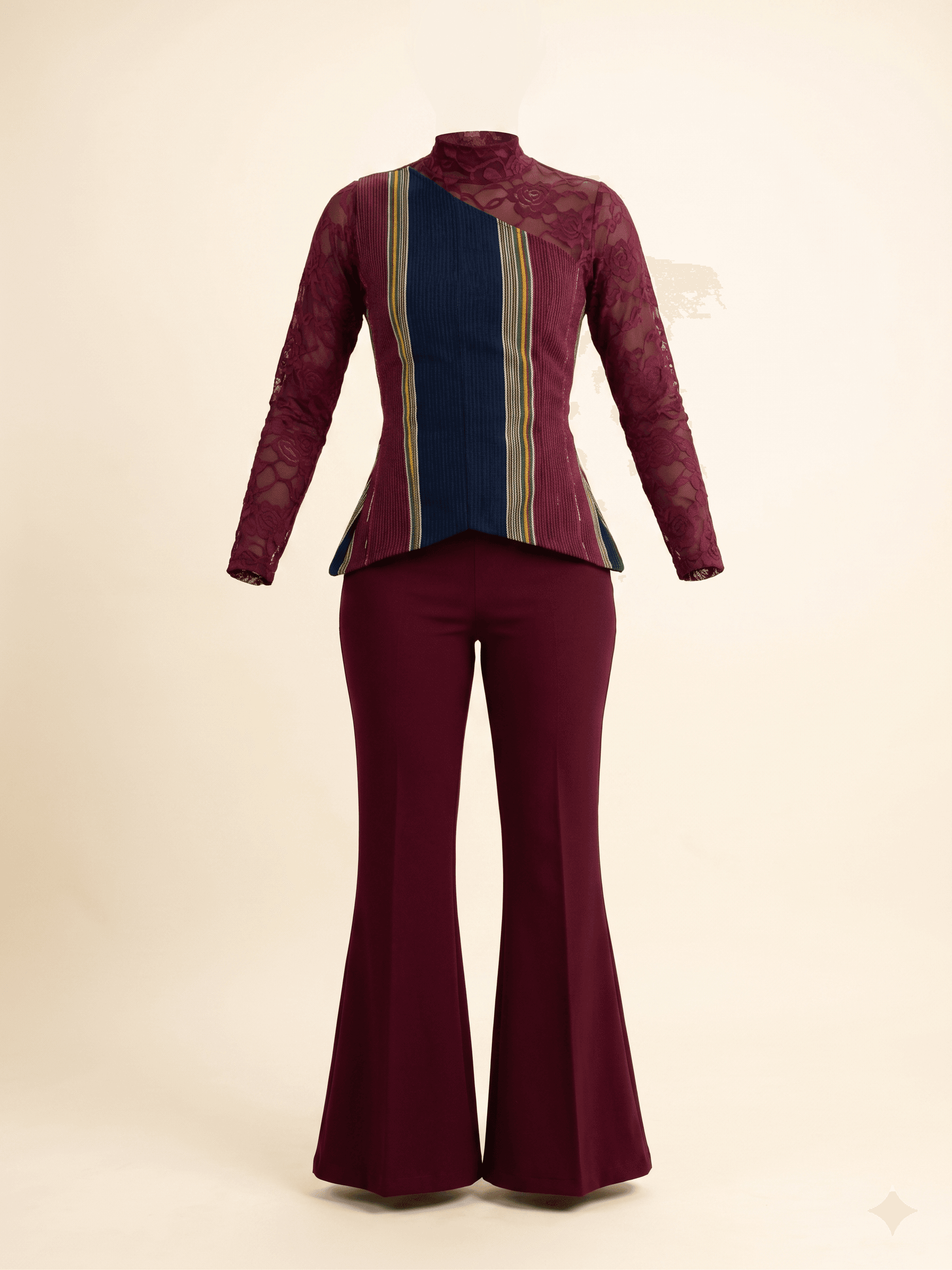
TÚNDÙN is committed to preserving these methods. By commissioning exclusive batches from the remaining heritage houses, we ensure the art form survives not as a museum piece, but as living, breathing fashion.